07 Oct 2022

Let’s understand and tune up the skincare clock
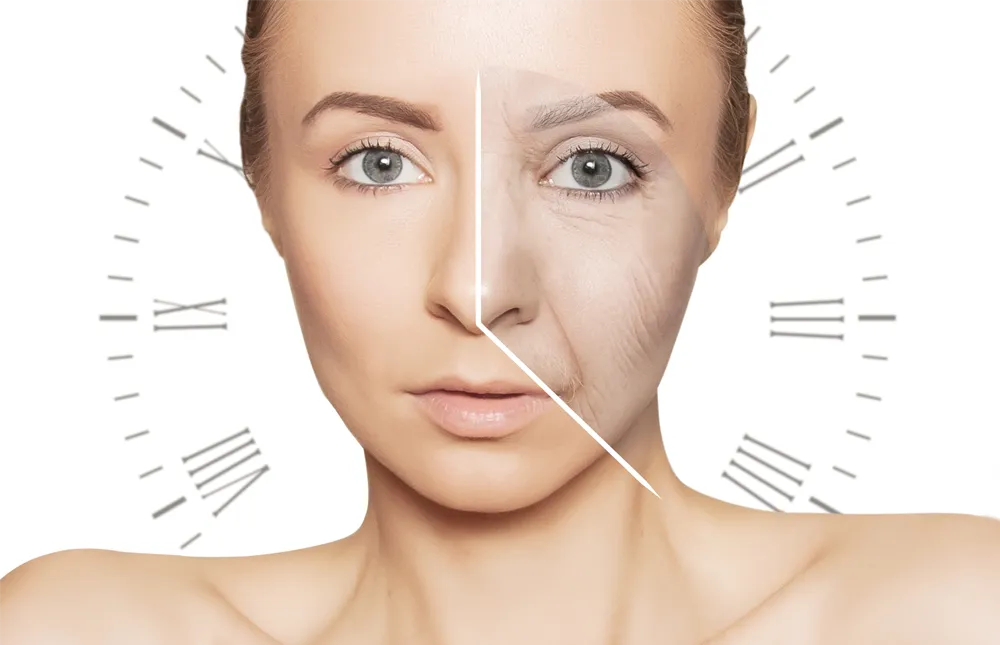
Many of us have an extremely hectic lifestyle and frequently race against time to fit in another activity, which unwittingly damages the skin. Very often, it can be noticed that the skin looks shinier during midday or heals itself best at the night. It is because of the circadian rhythm, our skin cell's intrinsic clock system. Now let’s see what that exactly means and how to work with it to optimize the skin’s health.
The body’s 24-hour clock (circadian rhythm) synchronizes the environment with the physiological and behavioral processes. It controls vital processes including hormone levels, body temperature, blood pressure, metabolism, and sleep. It also tells us when to wake up and when to go to sleep as well as when we have the most and least energy.

Our lifestyle, however, can have a great impact on this 24-hour clock. The entire rhythm goes under stress and attempting to constantly adjust when there is a momentary mismatch between the external world and our internal biological clock. For instance, a jet lag, too many late nights, or sleeplessness can cause long-term skin damage since it hastens the aging process of the skin.

How does the skin clock work?
What do you need to know about daytime and nighttime skin care?
Because skin cells have their circadian rhythm, the skin goes through many stages in a day and responds differently depending on the time.
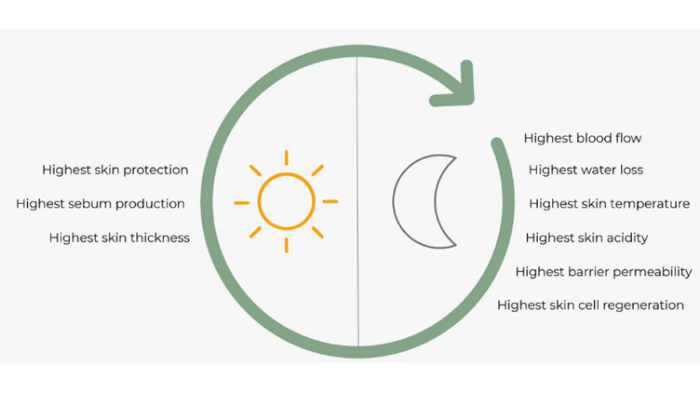
Often, we have noticed how certain skin types have mid-day skin shine? The skin makes an effort to defend itself during the day from environmental irritants like UV radiation and pollutants. It thickens as a result and makes more sebum to shield itself from its harmful effects. Midday is when the sebum production peaks. A daily regimen serves only to hydrate and shield the skin from environmental irritants, free radical damage, and UV rays. The day creams typically include no photosensitive chemicals and are lighter in texture to allow the skin to breathe even after applying sunscreen.
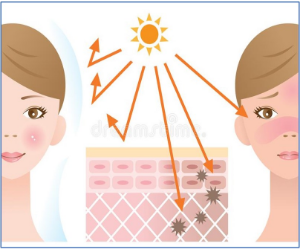
An ideal daytime routine would necessitate the use of a cleanser, toner, serum, or moisturizer with actives like vitamin C, hyaluronic acid, and sunscreen with sufficient SPF to shield the skin from UV damage throughout the day.
The skin switches from "defend" to "repair" mode at night, which is why sleep and a specially designed nighttime skincare regimen are crucial for skin's cellular regeneration. At night, the blood flow and water loss are at their peak. Zinc, iron, magnesium, and copper are the most crucial elements needed for skin healing and repair.
Additionally, the skin is hotter and more acidic at night, which could cause it to respond more quickly. The skin also produces more cytokines, which heighten inflammation. In order to enrich and cure skin, a nighttime skincare routine should include more robust active ingredients including retinol, skincare acids, antiaging, and depigmenting chemicals.
A good nighttime routine necessitates the use of a cleanser, toner, serum, eye cream, and a richer formulation of moisturizer in order to provide more hydration to the skin.
References
1. Lyons AB, Moy L, et al. Circadian rhythm and the skin: A review of the literature. J Clin Aesthet Dermatol. 2019;12(9):42-45.
2. Lee S. Expert advice [Internet]. [cited 2022 Jul 24]. Available from: https://slmdskincare.com/blogs/learn/how-circadian-rhythm-affects-your-skin-during-the-day
3. Polefka TG, Bianchini RJ, et al. Interaction of mineral salts with the skin: a literature survey. Int J Cos Sci. 2012;34:416-23.
Related blogs
Lorem ipsum dolor sit amet, consetetur sadipscing elitr, sed diam nonumy eirmod tempor invidunt ut labore et dolore magna...