06 Oct 2022

Managing hyperpigmentation for radiant skin
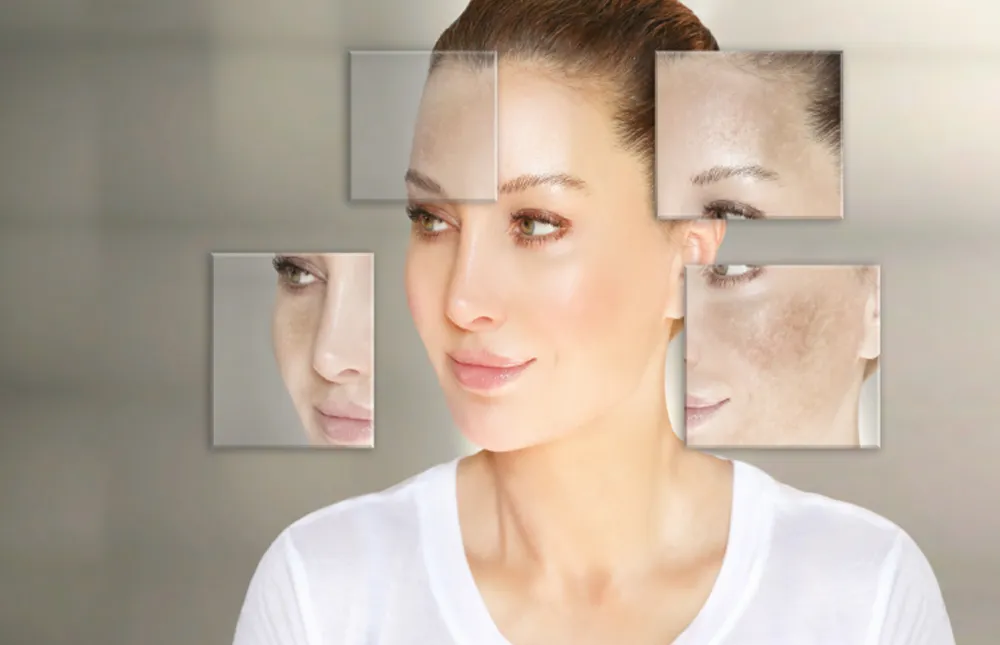
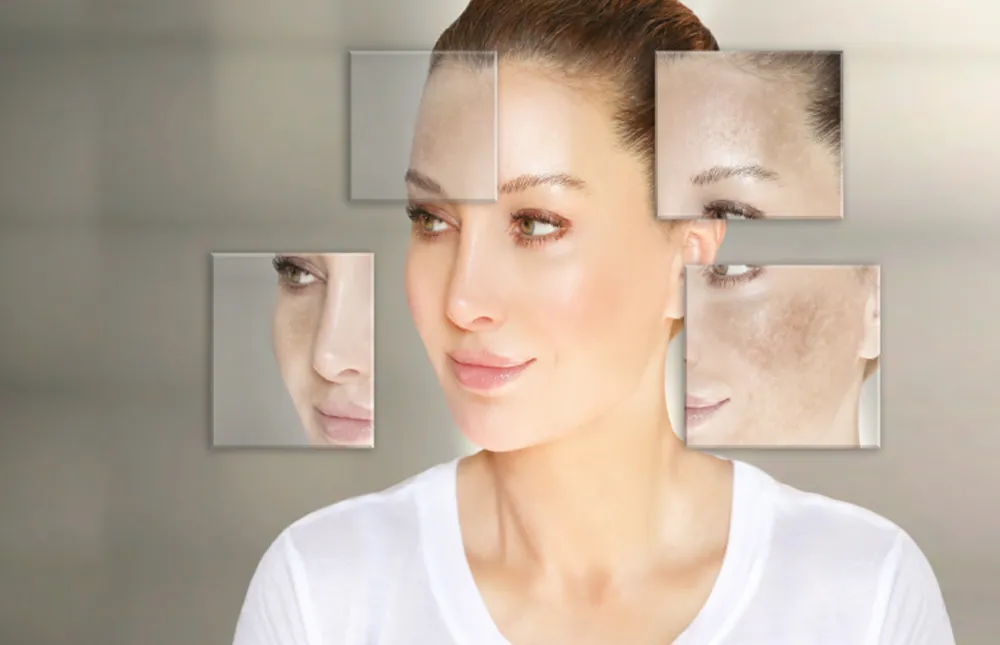
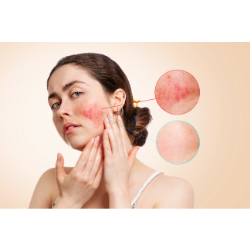
Skin hyperpigmentation is a common problem faced by many people in daily life. In this disorder, patches that are darker than the typical skin tone are developed on the skin. The dark patches occur due to excessive production of melanin pigment in the skin.
What causes hyperpigmentation? The common causes of hyperpigmentation are presented here.
Factors associated with skin hyperpigmentation
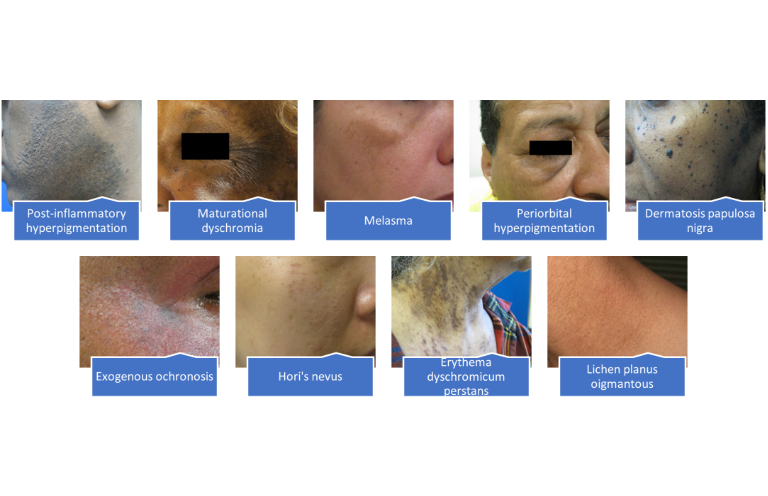
Other factors that may result in hyperpigmentation include oral contraceptives, trauma or injury to the skin, and drugs that increase sensitivity to the sun. If you have dark patches on the face, you probably agree that it is not only a cosmetic problem but also causes psychological distress. Hyperpigmentation is classified into several types such as post-inflammatory hyperpigmentation, melasma, solar lentigines, etc. based on the causes, physical signs, and symptoms.
Different types of hyperpigmentation disorders
A stepwise approach that you could follow to manage hyperpigmentation is outlined here

Exfoliate
Exfoliation means washing or rubbing with a granular substance to remove dead skin cells. Exfoliating skin once or twice a week helps to remove dead skin, shed the hyperpigmented cells, and boost healing.
Active ingredients like glycolic, salicylic, lactic acid, and hydroxy acids are ideal for exfoliation as they help to remove clogged pores, brighten the skin, and even out dark areas of the face, neck, or chest.
Protect
Anti-inflammatory ingredients like resveratrol, vitamin E, and Centella asiatica can reduce certain proteins and increase the synthesis of anti-inflammatory molecules in the skin.
They also provide a moisture barrier, minimize the effects of sun damage, and decrease skin swelling due to UV exposure and other kinds of skin inflammation.

Apply sunscreen
Sunscreen lotions are intended to protect the skin from UV rays and inflammation.
Sunscreen provides an extra layer of protection and prevents the risk of spreading hyperpigmentation. Sunscreens are also helpful in the long-term healing of hyperpigmented skin.
Lookout for skin-brightening ingredients
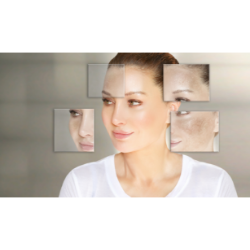
Skin brightening products balance the production of melanin, restore the evenness of skin tone, and brighten the existing dark spots. A variety of active ingredients are used in skin brightening products. These include kojic acid, alpha arbutin, niacinamide, azelaic acid, ascorbic acid (vitamin C), licorice root, retinol, etc.
Each type of hyperpigmentation disorder requires different treatment approach. Take a look at various treatment options available for treating different hyperpigmentation disorders.
Post-inflammatory hyperpigmentation
Post-inflammatory hyperpigmentation (PIH) is a chronic condition that occurs after skin inflammation or injury. PIH is common and severe in dark-skinned individuals. PIH results due to overproduction of melanin or abnormal melanin deposition after inflammation. Certain messengers that act on cells to stimulate inflammatory response trigger melanin overproduction in the epidermis. On extending to the dermis, basal keratinocytes (the most dominant cells that make up the outer skin layers) get damaged and release high levels of melanin. This results in permanent blue-green discoloration of the skin.
Several factors are known to cause PIH including:
Treatment
Hyperpigmentation does not go away easily, but a structured treatment plan with some patience can help you deal with those stubborn patches. Read on to know more about the treatment approaches.
Management of PIH involves a multistep approach. In addition to daily protection against UV radiation, stepwise initiation of other therapeutic modalities is the ideal treatment plan.
The treatment approach is shown in the Figure.
Various therapeutic drugs are known to interfere with several steps in melanin production. These mechanisms of action include inhibition of melanin production and melanosome transfer, increased keratinocyte synthesis, and anti-inflammatory and antioxidant effects.
The available treatment options and their proposed mechanism of action are given in the Table.
Hydroquinone
Hydroquinone is a tyrosinase inhibitor that acts by blocking melanin synthesis. It is used in concentrations of 2–4 % for the treatment of hyperpigmentation.
Retinoids
Topical retinoids viz. tretinoin, adapalene, and tazarotene promote keratinocyte production, reduce transfer of melanin-generating cells, and inhibit tyrosinase enzyme, thereby leading to inhibition of melanin formation. For treating PIH, it is used as a monotherapy or in combination with other agents.
Azelaic acid
Azelaic acid causes direct or indirect inhibition of tyrosinase. It is useful in acne-induced PIH,
drug-induced hyperpigmentation, and melanin synthesis due to other unknown causes.
Kojic acid
Kojic acid in concentrated form (1–4%) interacts with copper at the active site to inhibit the tyrosinase enzyme. In patients with mild-to-moderate facial dyschromia, kojic acid in combination with emblica extract and glycolic acid (GA) has shown better efficacy.
Arbutin/deoxyarbutin
Arbutin and its derivative deoxyarbutin inhibit tyrosinase activity and maturation of organelles that store melanin without toxic effects.
Licorice
The active ingredients of licorice, liquiritin, and isoliquiritin inhibit tyrosinase and disperse melanin.
In addition to including products containing these therapeutic agents in your skincare routine, you can undergo various procedures like chemical peeling, dermabrasion, laser, or intense pulsed light therapy for managing PIH. However, one should sign up for these treatments with caution and after consultation with dermatologists as they can worsen the existing PIH in some cases, especially in dark-skinned people.
References
1. Hyperpigmentation [Internet]. [cited 2022 Jul 6]. Available from: https://www.aocd.org/page/Hyperpigmentation
2. MaryAnn De Pietro. What you should know about hyperpigmentation? [Internet]. 2022 [cited 2022 Jul 6]. Available from: https://www.healthline.com/health/hyperpigmentation
3. Vashi NA, Kundu RV. Facial hyperpigmentation: Causes and treatment. British J Dermatol. 2013;169:41-56.
4. Purks E. How to manage hyperpigmentation in the summer [Internet]. 2020 [cited 2022 Jul 6]. Available from: https://www.healthline.com/health/beauty-skin-care/how-to-manage-hyperpigmentation-in-the-summer
5. Plensdorf S, Livieratos M, Dada N. Pigmentation disorders: Diagnosis and management. Am Fam Phys. 2017;96(12):
797-804.
6. Lawrence E, Al Aboud KM. Postinflammatory hyperpigmentation. [Updated 2021 Oct 9]. In: StatPearls [Internet]. Treasure Island (FL): StatPearls Publishing; 2022 Jan-. Available from: https://www.ncbi.nlm.nih.gov/books/NBK559150/?report=classic
7. Chaowattanapanit S, Silpa-Archa N, Kohli I, et al. Postinflammatory hyperpigmentation: A comprehensive overview: Treatment options and prevention. J Am Acad Dermatol. 2017;77(4):607-21.
Related blogs
Lorem ipsum dolor sit amet, consetetur sadipscing elitr, sed diam nonumy eirmod tempor invidunt ut labore et dolore magna...