07 Oct 2022

Care for radiant uneven skin tone: An overview of skin brightening agents
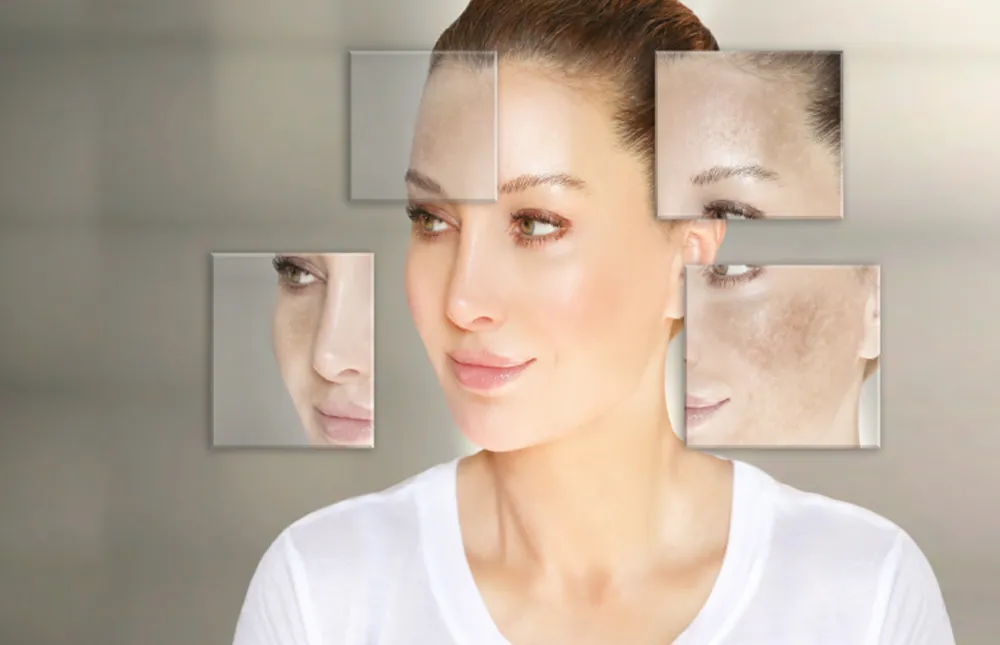
Skin brightening agents are commonly used for treating hyperpigmentation. These agents interfere in important steps of melanin (a pigment that imparts color to the skin) synthesis and reduce pigmentation.1 If you are hoping to reduce dark spots and blemishes, here’s everything you need to know about some natural skin brightening ingredients that can give you the desired results.

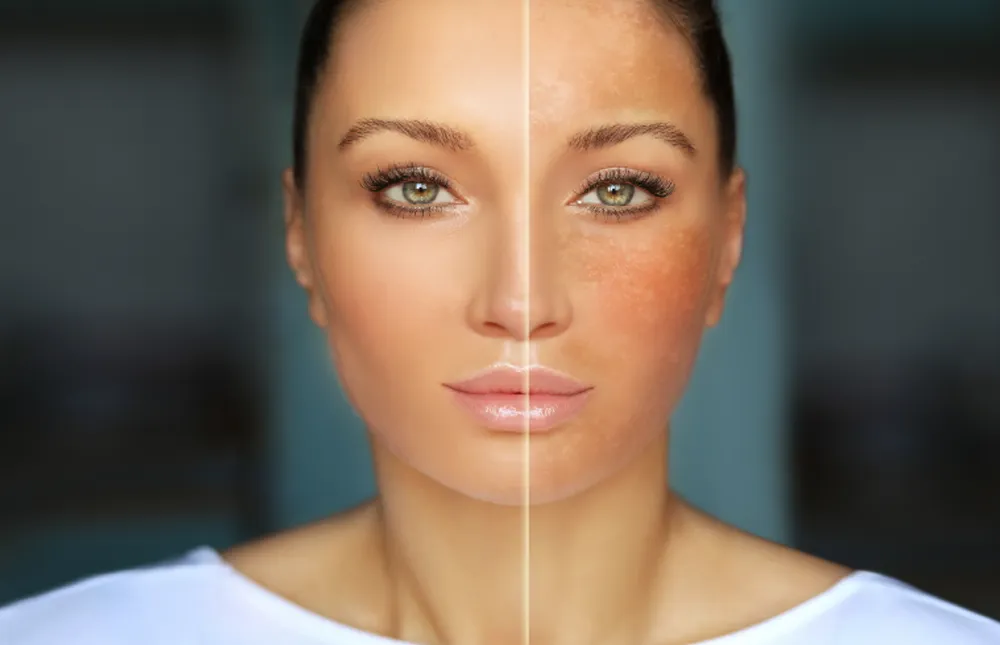
Even though hydroquinone is the gold standard of skin brightening, it can cause erythema, skin irritation, contact dermatitis, permanent skin depigmentation, and is associated with several
cell-damaging effects. Hence, application of hydroquinone is limited in the cosmetic industry.1
Owing to the difficulties of using hydroquinone, nowadays it has been used in combination with other active ingredients. The use of combination therapy improves efficacy of treatment as well as reduce side-effects of hydroquinone. Some of the combinations include hydroquinone 2%, kojic acid 2% and glycolic acid 10% in a gel, azelaic acid 20%, tretinoin 0.05% or 0.1%, etc.1
Some of the newer combinations of skin brightening agents used for managing hyperpigmentation are also available in the market. These include:1
• Arbutin (deoxyarbutin) and aloesin
• Licorice extract, soy, and ascorbic acid
• Kojic acid, phytic acid, and butyl methoxy dibenzoyl methane
• Hydroquinone and kojic acid
In addition to the use of skin brightening products, adoption of some simple practices can help from sun damage that can further prevent hyperpigmentation disorders.9
• Some sun exposure is of course needed, but unprotected exposure can damage your skin and can cause it to age. So, generously apply broad-spectrum sunscreen before stepping out.9
• Avoid stepping out during afternoons to avoid exposure to midday sun.9
• Do not forget to wear cap, scarves, or full-sleeved clothing on your day out. Choose the shady side when you are outdoors.9
References
1. Kanthraj GR. Editorial skin-lightening agents: New chemical and plant extracts-ngoing search for the Holy Grail!. Indian J Dermatol Venereol Leprol. 2010;76(1):4.
2. Saeedi M, Eslamifar M, Khezri K. Kojic acid applications in cosmetic and pharmaceutical preparations. Biomed Pharmacother. 2019;110:582-93.
3. Vashi NA, Kundu RV. Facial hyperpigmentation: Causes and treatment. British J Dermatol. 2013;169:41-56.
4. Mendoza CG, Singzon IA, Handog EB. A randomized, double‐blind, placebo‐controlled clinical trial on the efficacy and safety of 3% Rumex occidentalis cream versus 4% hydroquinone cream in the treatment of melasma among Filipinos. Int J Dermatol. 2014;53(11):1412-6.
5. Sarkar R, Arora P, Garg KV. Cosmeceuticals for hyperpigmentation: what is available?. Journal of Cutaneous and Aesthetic Surgery. 2013;6(1):4.
6. Fu YT, Lee CW, Ko HH, et al. Extracts of Artocarpus communis decrease α-melanocyte stimulating hormone-induced melanogenesis through activation of ERK and JNK signaling pathways. Sci World J. 2014;2014.
7. https://www.hilarispublisher.com/conference-abstracts-files/2376-0427-C1-009-003.pdf
8. 9 benefits of hyaluronic acid for skincare [Internet]. 2022 [cited 2022 Jul 8]. Available from: https://www.skoonskin.com/blogs/news/benefits-of-hyaluronic-acid-for-skincare#:~:text=Hyaluronic%20acid%20can%20help%20you,spots%20caused%20by%20sun%20exposure.
9. Radiation: Sun protection [Internet]. [cited 20 Jul 2022]. Available from: https://www.who.int/news-room/questions-and-answers/item/radiation-sun-protection
Related blogs
Lorem ipsum dolor sit amet, consetetur sadipscing elitr, sed diam nonumy eirmod tempor invidunt ut labore et dolore magna...